The Journey Of Indian Chillies: From Farm To Your Plate
The Journey Of Indian Chillies: From Farm To Your Plate
India is the largest producer and exporter of chillies, contributing to 25% of global chilli production. These red gems are not just a staple in Indian kitchens but also a symbol of India’s agricultural power. The journey of Indian chillies, from being cultivated on farms to becoming the main ingredient of our dishes, is a tale of dedication, skill, and tradition.
Cultivation: The Birth Of Heat
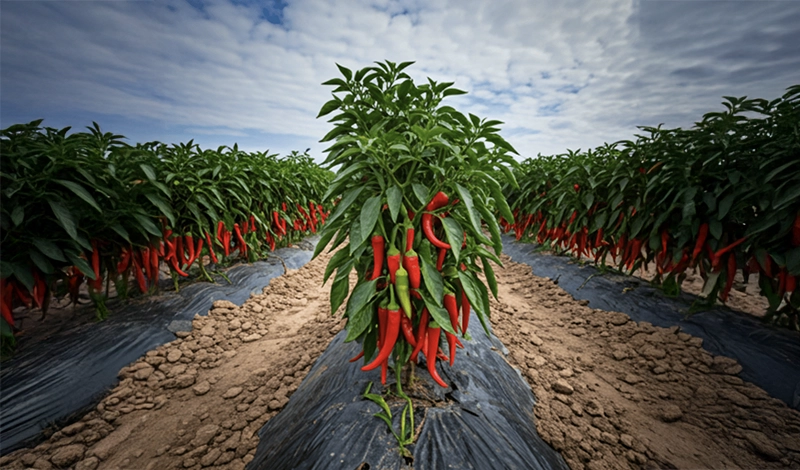
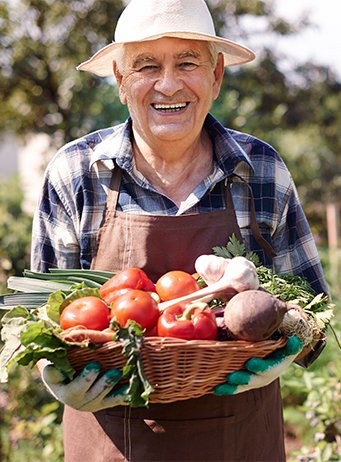
The journey begins in the fertile lands of Andhra Pradesh, Karnataka, and Telangana, regions famous for their ideal climatic conditions and soil quality. Farmers sow chilli seeds during the Kharif season (June to October), for maximum growth. These plants require just the right amount of sunlight and moisture, that’s why their cultivation is a delicate balance of farming and nature’s love.
Farmers adopt sustainable practices, often using organic fertilizers and traditional pest control methods to maintain the authenticity and purity of the chillies. Varieties like Guntur, Byadgi, and Kashmiri chillies are cultivated, each known for its unique flavour profile, colour, and spice level.
Harvesting And Drying: The Metamorphosis
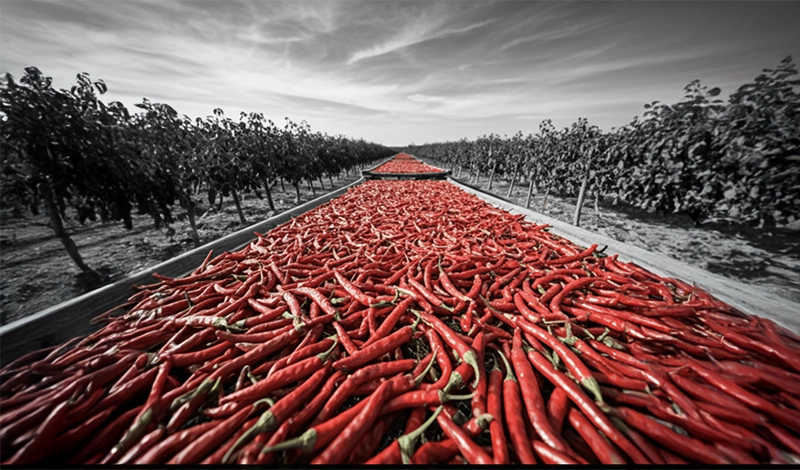
Once the chillies mature, they are handpicked so that only the finest are selected. The harvesting process is labour-intensive, which requires precision to avoid damaging the produce.
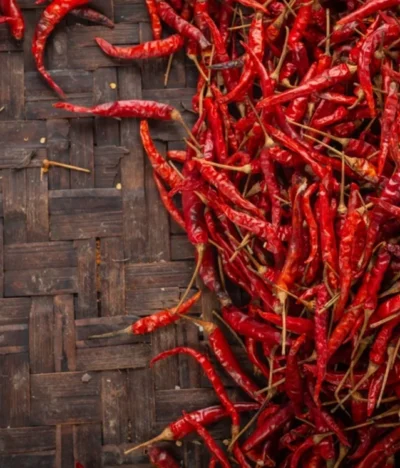
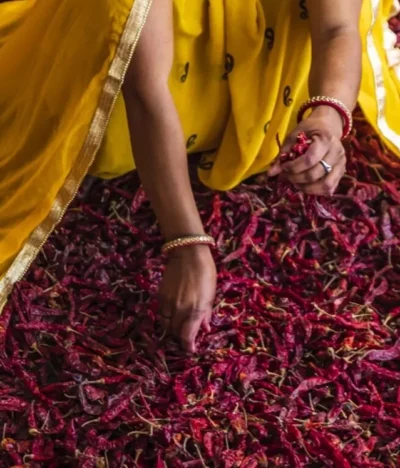
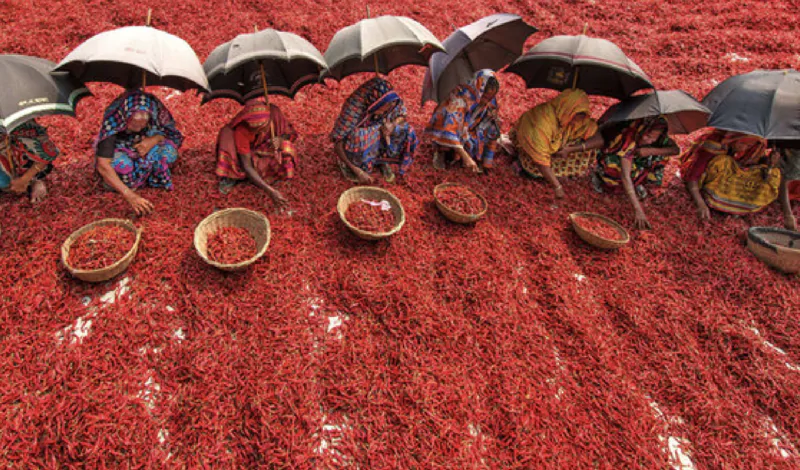
Post-harvest, the chillies undergo a drying process, which is crucial to lock in their vibrant red colour and flavour. Farmers spread them under the sun for up to 10-15 days, occasionally turning them for even drying. This natural drying process is vital for developing the deep, smoky aroma and intense heat that Indian chillies are famous for.
Processing: Adding Value
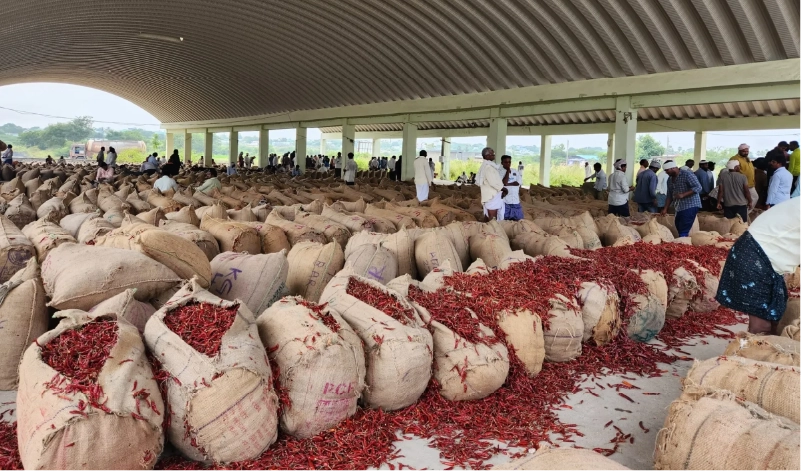
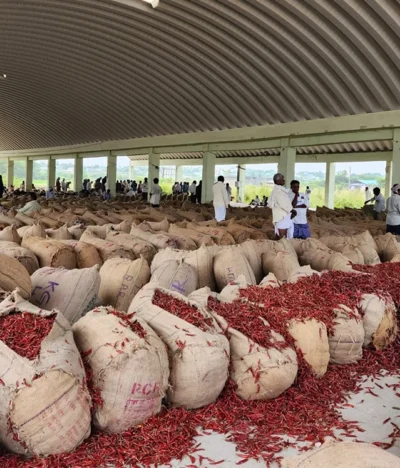
After drying, the chillies move to processing units where they are cleaned, sorted, and graded based on their quality and size. High-quality chillies are sold whole, while others are powdered to produce spice blends. Advanced machinery ensures minimal wastage while maintaining hygiene standards.
Many Indian chilli exporters invest in value-added products like chilli paste, oils, and flakes, catering to global tastes and increasing their market reach. These products undergo rigorous quality checks to comply with international standards.
Distribution: Reaching Every Plate
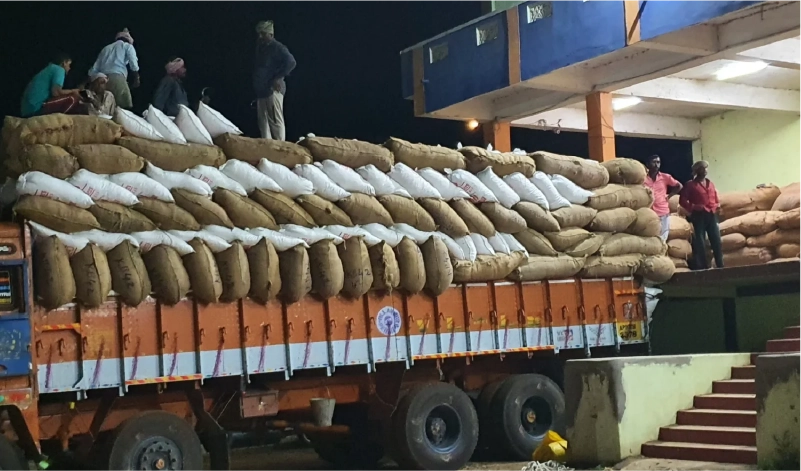
The processed chillies are then packaged and transported across the country and exported to over 90 countries, including the USA, UK, and China. They make their way to supermarkets, local markets, and spice factories, ensuring their availability in every corner of the world.
Indian chillies hold a prominent place in global cuisine, adding depth and spice to dishes ranging from Indian curries to international sauces. The journey doesn’t end at the market, it continues in kitchens where home cooks, moms, and chefs transform these bright red chillies into culinary pieces of art.
The Essence Of Indian Chillies
Indian chillies are more than just a spice, as they hold centuries of agricultural heritage, innovation, and a commitment to quality. From the careful hands of farmers to your plate, their journey is proof of the hard work and passion that go into making every dish a hot delight.
So, the next time you eat a spicy curry or a tangy chutney, remember the remarkable journey of the chillies that brought the heat to your plate.